
Cricket at MCW: Understand the Players, Read the Scorecard, Enjoy Every Over
Tamim is not a professional analyst. He teaches mathematics at a high school in Bogura. But on match days, his staff room turns into a commentary box. He explains why a captain brought on a left-arm spinner, why a batter chose to defend for three overs, and why the required run rate is less scary than it looks. His colleagues joke that he enjoys the numbers more than the sixes.
This page borrows Tamim’s approach. Rather than listing markets, it explains the roles players perform on the field, how to read a scorecard like a coach, which statistics actually matter, how rain rules work and how to keep your predictions thoughtful and your budget calm.

Why Understanding Roles Matters
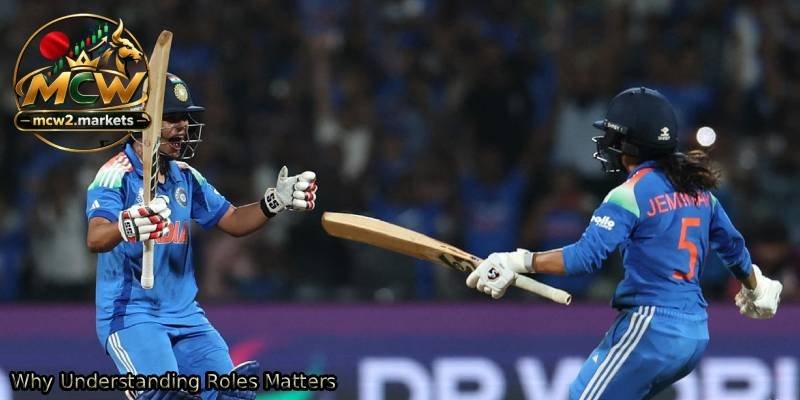
Every Cricket team is made of specialists. Openers, anchors, finishers, pace bowlers, spinners and all-rounders each have a different job, and the balance between them often decides a match before a ball is bowled.
When you understand those roles, line-up announcements suddenly become much more informative. A missing finisher or a rested strike bowler can change a game entirely.
Openers
Openers face the new ball and set the tone. In T20 matches, aggressive openers aim to exploit the powerplay, when only two fielders may stand outside the circle.
A strong opening partnership often leads to a big total, while early wickets can force the middle order to rebuild slowly.
Anchors and Middle Order
Anchors hold the innings together, rotating the strike and keeping wickets in hand through the middle overs. They are crucial when early wickets fall.
Their value rarely shows in highlight reels, but experienced fans know that a calm forty from an anchor often matters more than a quick cameo.
Finishers
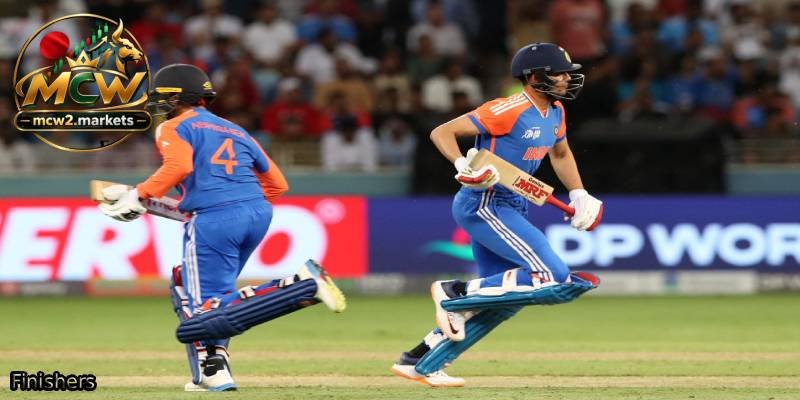
Finishers bat at the end of an innings and specialise in hitting boundaries under pressure. A team with two reliable finishers can chase almost any target.
Watch who is still in the dugout when the last five overs arrive. It tells you a lot about how the innings is likely to end. A long batting order with hitters down at number eight gives the side licence to attack from the very first ball of the final phase.
The Bowling Unit
In cricket, bowlers are just as specialised. Fast bowlers usually open the attack and return at the death, while spinners often control the middle overs.
Bangladesh has a proud tradition of quality spin bowling, particularly on slower home surfaces, which is why visiting teams often struggle in Dhaka.
Pace Bowlers
Fast bowlers rely on speed, swing and seam movement. Early in an innings, the new ball can swing, especially under cloudy skies or in evening matches.
At the death, the best pacers use yorkers, slower balls and wide lines to restrict scoring.

Spinners
Spinners take pace off the ball and use turn and flight to deceive batters. On dry, worn pitches they become the most dangerous bowlers in the game.
Left-arm spinners and leg-spinners are especially valued in T20 Cricket because they can take wickets even when batters are attacking.
All-Rounders
All-rounders contribute with both bat and ball, giving captains flexibility. A team with several genuine all-rounders can bat deep and still field five or six bowling options.
Many of Bangladesh’s greatest players have been all-rounders, and fans rightly treasure them.

Three Formats, Three Different Games
The same sport looks very different depending on the format. Understanding how each one rewards different skills makes your cricket predictions far more grounded.
Tamim describes it to his students as three cousins: related, recognisable, but with completely different personalities.
Test Cricket
Test matches last up to five days, with two innings per side. Patience, technique and stamina dominate, and conditions change as the pitch wears and cracks.
Draws are possible, weather can intervene and a single session can swing a match. Test cricket rewards fans who enjoy slow-building drama.

One-Day Internationals
Fifty-over matches balance attack and defence. Teams need a solid start, a steady middle phase and a strong finish, so squad depth matters enormously.
World Cups in this format are among the most watched events in the sport, and Bangladesh has produced several famous upsets over the years.
Twenty20
T20 cricket compresses everything into about three hours. Aggression, power hitting and specialist death bowling decide most games.
Because one over can change everything, even strong favourites lose regularly. That volatility is exactly why so many fans love the format.

Reading a Scorecard Like a Coach
A cricket scorecard tells a much richer story than the final total. Look beyond the runs and you will see how the innings was built and where it slowed down.
Tamim always looks at three things first: the run rate in each phase, the partnerships and the bowling figures.
Partnerships
Partnerships show which pairs of batters built the innings. A long partnership in the middle overs often explains a strong total better than any individual score.
When a partnership breaks, watch how the next batter starts. Pressure after a wicket is one of the most important moments in any innings.

Economy and Strike Rates
For bowlers, economy rate shows how many runs they concede per over. For batters, strike rate shows how quickly they score.
In T20 Cricket, a bowler conceding six an over is excellent, while a batter striking at 150 or more is attacking well. In longer formats, these benchmarks are much lower.
Required Run Rate
During a chase, the required run rate tells you how many runs per over the batting side needs. When it climbs above ten or eleven, pressure builds quickly.
But wickets in hand matter just as much. A team needing eleven an over with eight wickets left is often in a better position than one needing nine with only three wickets remaining.

Rain and Revised Targets
Rain is part of life in Bangladesh, and it frequently interrupts matches. When overs are lost, targets are revised using the Duckworth-Lewis-Stern method, which accounts for both overs and wickets remaining.
Every Cricket market has its own rules for rain-affected matches. Some are settled on the revised result, while others may be void if a minimum number of overs is not completed.
Reading the Forecast
Before any match during the monsoon season, check the forecast. A shortened match favours aggressive batting sides and can make results more unpredictable.
Tamim says rain is the one opponent no captain can plan for, which is exactly why it makes matches so dramatic. Covers coming on and off become a show of their own.

Choosing Your Markets
In cricket betting, match winner is the simplest market and a natural place to start. Top batter and top bowler markets suit fans who follow individual players closely.
Totals markets reward fans who understand pitches, weather and team composition. Powerplay and over-by-over markets are fast and exciting but much harder to predict.

Live Markets
In-play markets update after every delivery. A wicket or a big over can move odds dramatically within seconds.
Decide in advance what situations would make you place a live bet, and ignore the noise in between.
Women’s Matches
The women’s game has grown rapidly, with strong international teams and popular franchise leagues. Bangladesh’s women have recorded memorable wins, and their matches attract loyal, knowledgeable audiences.
Markets on women’s matches are often less crowded, which means fans who follow the players closely can form well-informed opinions that the wider market may overlook.

Habits That Keep Cricket Enjoyable
Give each series its own cricket allowance and share it across the fixtures that genuinely excite you. A televised match is not an obligation to bet.
Keep a notebook of your predictions and the reasons behind them. Over a season, you will see which kinds of matches you read well.

Avoid Paid Tips
Pages offering “sure” predictions or fixed matches are scams. Real information, such as line-ups and pitch reports, is free and published openly.
Your own understanding of roles and conditions is worth far more than any paid tip. Tamim tells his students the same thing about exams: there is no shortcut that beats understanding the material yourself.
Protect Your Mood
If a last-ball cricket defeat leaves you upset, take a break. The joy of following your team should never depend on a bet.
Wagering is only for adults aged eighteen and above, and local laws must always be respected. Spending caps and self-exclusion are available in your profile.

Following Cricket on MCW
The betting section on MCW covers the BPL, IPL, PSL, international tours, World Cups and women’s competitions, with match winner, player, totals and live markets.
Balances are held in taka, and top-ups or withdrawals run through bKash, Nagad and Rocket, so you can follow every over from a staff room, a tea stall or your sofa.
Your Own Commentary Box
Tamim’s colleagues now argue back, armed with their own scorecard insights. That shared conversation is what makes Cricket special in Bangladesh.
When you are ready, open MCW, pick a match you understand and enjoy reading the game ball by ball.