
Lottery at MCW: From Old Village Raffles to Modern Online Draws
Nargis grew up in a village near Rangpur, where the biggest event of the winter fair was the raffle. Families bought paper tickets for a few taka, hoping to win a bicycle, a radio or, one memorable year, a young goat. The whole village would gather around a battered tin drum as the numbers were pulled out by the headmaster.
Today Nargis works as a pharmacist in Dhaka and buys her tickets on her phone, but she says the feeling has hardly changed. This page follows the Lottery from those humble beginnings to today’s online draws, explains the formats you will meet, shows what probability really says about your chances and offers a simple way to plan your tickets so the habit stays light.
A Short History of Draws
The idea of drawing numbers to award prizes is centuries old. Cities and governments once used draws to fund bridges, schools and public works, while fairs and charities used raffles to raise money for good causes.
The basic appeal has never changed. For a small price, anyone can buy a moment of hope and the thrill of waiting for the result.
From Paper to Screen
Paper tickets had real drawbacks. They could be lost, damaged or forgotten, and checking results meant reading long lists in newspapers.
Online draws solved those problems. Every Lottery ticket is now stored in your account, results are checked automatically and any prize lands in your balance within moments.
Why the Habit Endures
People enjoy draws because they are simple. There are no strategies to learn and no opponents to outthink. You choose, you wait and you hope.
Nargis says it is the only game she plays where the waiting is more fun than the result.
Lottery Traditions Around the World
Different countries have built their own traditions around draws. Some hold huge televised events at New Year, while others run weekly games that families have played for generations.
In South Asia, small community raffles at fairs, weddings and festivals remain common. They show that the appeal of a Lottery is less about money and more about sharing a moment of suspense with people you know.
Today’s Draw Formats
A modern Lottery lobby offers several styles, each with a different pace and prize structure. Knowing the differences helps you pick the one that suits your mood.
All of them share the same core idea: your numbers are compared with the drawn numbers, and matches earn prizes.
Pick-Six Draws
In a pick-six Lottery, you choose six numbers from a larger range, such as one to forty-five. Matching three numbers usually earns a small prize, and matching all six wins the top award.
Some pick-six games carry a top prize that grows from draw to draw until someone claims it. Those growing totals create the biggest headlines.
Quick Draws
A quick-draw Lottery runs every few minutes, often with smaller pools of numbers and simpler prize tables. Results arrive fast, and prizes are modest.
Because they are so frequent, quick draws need a firmer budget than weekly games.
Keno
Keno, a close cousin of the classic Lottery, lets you choose between one and ten numbers from a board of eighty. Twenty numbers are then drawn, and your prize depends on how many of your picks appear.
Choosing four to six numbers is a popular balance between frequent small wins and the occasional bigger surprise. Picking all ten looks exciting, but hitting every one of them is so rare that most of those tickets end with only small returns or none at all.
Digit Predictions
Some games ask you to predict the final two or three digits of a drawn number. They are especially popular across South Asia because the rules are so easy to explain.
Remember that guessing three exact digits is a one-in-a-thousand chance. Treat it as a long shot.
What Probability Really Says
Every Lottery is built on probability, and understanding it makes the experience healthier, not less exciting. The key idea is that small prizes are common and big prizes are rare.
Picture a game where six numbers are drawn from forty-five. A single line lands all six only about once in eight million attempts, while hitting exactly three turns up roughly one time in forty-five.
Why Prizes Sit Below the True Odds
Prize tables always pay a little less than the true odds would suggest, because part of every ticket covers the cost of running the game. Over thousands of tickets, players as a group always receive less than they spend.
That is why a Lottery ticket is best thought of as the price of entertainment, like a cinema ticket.
Independence of Draws
Each draw is completely independent of the one before. A number that appeared last week has exactly the same chance this week as every other number.
Hot and cold number charts are fun to browse, but they cannot predict anything. Enjoy them as trivia over a cup of tea, nothing more.
Splitting Prizes
If a popular combination wins, the prize may be shared among many players. Birthdays only reach thirty-one, so numbers in the lower range are chosen more often.
Picking a mix of low and high numbers will not improve your chance of winning, but it can reduce the chance of sharing a prize.
Planning Your Tickets
Nargis has a simple system. At the start of each month, she decides how much she will spend on draws, divides it into four weekly amounts and never carries unused money forward into extra tickets.
That plan keeps the Lottery a small, pleasant part of her week rather than a growing expense.
Choose a Format and Stick to It
Rather than playing every game, choose one or two formats you genuinely enjoy. Familiar rules make results easier to follow and spending easier to track.
Nargis plays one weekly pick-six draw and the occasional keno round on Friday evenings.
Syndicates With Family
Pooling money with relatives lets a group play more lines for the same individual cost. It also turns any win into a shared celebration.
Write down who contributed what and agree on how prizes will be shared before the draw. A photo of the ticket posted in the family group chat before the draw keeps everything transparent and avoids awkward conversations later, especially if the prize turns out to be a good one.
Keeping Records
A simple note on your phone listing the date, game and amount spent gives you an honest picture over time. Looking back after a few months often surprises people.
Records also help you notice if spending is creeping upwards, which is the best moment to adjust.
Setting Expectations Before Each Draw
Before checking results, Nargis reminds herself that the most likely outcome is no prize at all. That small mental step means a loss never stings, and a small win feels like a genuine treat.
Thinking this way keeps the Lottery in its proper place: a light, enjoyable ritual rather than a source of stress or disappointment.
Celebrating Small Wins Wisely
When a small prize does arrive, resist the urge to spend it all on more tickets. Withdraw it, enjoy it or put it towards something your family needs.
Turning occasional Lottery wins into something real, even a nice dinner, is far more satisfying than recycling them into extra lines.
Staying Safe
Be cautious of messages claiming you have won a prize you never entered, or selling “guaranteed” numbers. Genuine Lottery operators never ask winners to pay a fee to release a prize.
Check results only inside your own account, and never share your login or one-time codes with anyone.
Signs It Is Time for a Break
If you find yourself buying extra tickets to make up for losses, or hiding your spending from family, pause for a while. The draws will continue without you.
Your profile lets you cap spending, schedule a cooling-off break or exclude yourself entirely, and support can switch any of these on with one message.
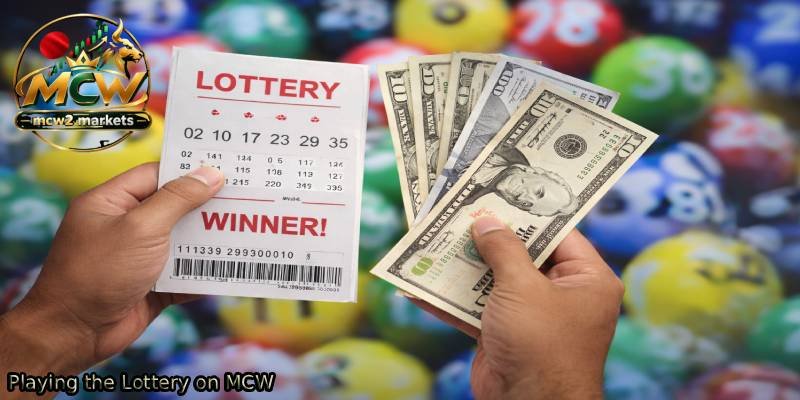
Playing the Lottery on MCW
The draw section on MCW offers pick-six games, quick draws, keno and digit predictions, each with clear rules, paytables and full results history. Tickets are priced in BDT and can be funded through bKash, Nagad or Rocket.
You can check every past result whenever you like, and winnings are credited automatically.
A Reminder About Age
Draws are strictly for adults aged eighteen or over, and you should always confirm that online play is permitted where you live.
Questions about a ticket, a draw time or a prize can be sent to the live chat team at any hour of the day or night.
Back to the Village Fair
Nargis still remembers the goat, and the cheer that went up when a neighbour’s number was called. That shared excitement is the real prize of any Lottery.
Whenever the mood strikes, open MCW, choose a draw that suits your evening and savour the minutes before the numbers appear.